US Counterterrorism Funding: Understanding the 10% Increase and Global Impact

Understanding the 10% Increase in US Funding for Counterterrorism Efforts and its Global Impact involves analyzing the allocation of resources and the subsequent effects on international security, political stability, and humanitarian concerns.
The United States has long been a significant player in global counterterrorism efforts. Recent reports indicate a 10% increase in US funding allocated to these endeavors. Understanding the 10% Increase in US Funding for Counterterrorism Efforts and its Global Impact is crucial for policymakers, security analysts, and concerned citizens alike. This article delves into the reasons behind this increase, its intended uses, and the potential ramifications on a global scale.
Understanding the Rationale Behind the Funding Increase
The decision to increase funding for counterterrorism efforts does not occur in a vacuum. Several factors, both domestic and international, likely contribute to such a significant budgetary shift. Understanding the 10% Increase in US Funding for Counterterrorism Efforts and its Global Impact requires examining these driving forces.
Evolving Terrorist Threats
The nature of terrorism is constantly changing. Traditional terrorist organizations may be weakened, but new groups and ideologies can emerge quickly. This necessitates increased investment in intelligence gathering, surveillance, and preemptive measures to counter evolving threats.
Geopolitical Instability
Certain regions of the world are experiencing heightened instability due to conflict, political upheaval, or economic crises. These conditions can create breeding grounds for extremist groups, requiring a more robust US response.
- Increased Surveillance: Enhancing intelligence collection to monitor potential threats.
- Capacity Building: Providing training and resources to partner nations.
- Counter-Propaganda: Combating extremist narratives online and offline.
In conclusion, the increase in funding reflects a proactive approach to managing the ever-changing global security landscape. By understanding the reasons behind this financial commitment, we can better evaluate its potential effectiveness and broader consequences.
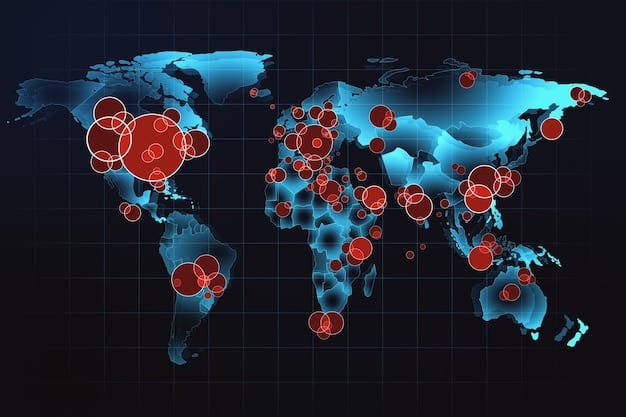
How the Funding Increase Will Be Utilized
The allocation of the additional funds is a crucial aspect of understanding the 10% Increase in US Funding for Counterterrorism Efforts and its Global Impact. These funds are likely to be distributed across various sectors and initiatives, each designed to address specific challenges and vulnerabilities.
Strengthening Domestic Security Measures
A significant portion of the funding will likely be directed towards bolstering domestic security measures. This includes enhancing border security, improving cybersecurity infrastructure, and supporting local law enforcement agencies in their counterterrorism efforts.
Enhancing International Partnerships
Counterterrorism is a global effort, and international cooperation is essential. The funding increase will likely be used to strengthen partnerships with foreign governments, providing training, equipment, and intelligence sharing to combat terrorism abroad.
- Military Aid: Supplying partner nations with necessary resources.
- Intelligence Sharing: Facilitating the exchange of information.
- Joint Training Exercises: Enhancing coordination and interoperability.
In summary, the increased funding will be strategically allocated to both domestic and international initiatives, aiming to create a multi-layered approach to counterterrorism. This comprehensive strategy seeks to address both immediate threats and the underlying conditions that contribute to the rise of extremism.
Examining the Potential Global Impact
The effects of the 10% increase in US counterterrorism funding are far-reaching and complex. Understanding the 10% Increase in US Funding for Counterterrorism Efforts and its Global Impact requires a nuanced perspective, considering both the potential benefits and drawbacks of these investments.
Impact on International Relations
Increased US involvement in counterterrorism efforts can impact its relationships with other nations. While some countries may welcome US assistance, others may view it as an intrusion into their sovereignty.
Influence on Human Rights
Counterterrorism measures can sometimes infringe on human rights. Increased surveillance, detention without trial, and the use of force can all raise concerns about civil liberties and due process.
Conversely, failing to address terrorism can also have severe human rights consequences, as terrorist groups often target vulnerable populations and commit atrocities.

The Ethical Considerations
The allocation of resources for counterterrorism raises complex ethical questions. It’s vital to consider the balance between security and liberty. Understanding the 10% Increase in US Funding for Counterterrorism Efforts and its Global Impact should encompass examining the ethical implications.
Privacy vs. Security
More funding often translates to increased surveillance, which raises questions about privacy. How do we ensure that counterterrorism efforts do not unduly infringe on the privacy rights of individuals?
Accountability and Oversight
With increased funding comes increased responsibility. It is crucial to establish mechanisms for accountability and oversight. This ensures that the funds are used effectively and ethically.
- Independent Audits: Conducting regular reviews of counterterrorism programs.
- Legislative Oversight: Holding hearings and investigations to assess the effectiveness of these efforts.
- Public Transparency: Providing information to the public about how the funds are being used.
In conclusion, addressing the ethical considerations associated with counterterrorism funding is essential for maintaining public trust and ensuring that these efforts are aligned with democratic values. This involves striking a delicate balance between security and liberty, and implementing robust mechanisms for accountability and oversight.
Alternatives to Increased Funding
While increased funding is often seen as a primary solution, there are alternative approaches to counterterrorism that may be more effective in the long run. Understanding the 10% Increase in US Funding for Counterterrorism Efforts and its Global Impact also means exploring other options.
Addressing Root Causes
Terrorism often stems from underlying issues such as poverty, political marginalization, and social injustice. Addressing these root causes can be a more sustainable approach to counterterrorism than simply increasing security measures.
Diplomacy and Conflict Resolution
Diplomatic engagement and conflict resolution can help to de-escalate tensions and prevent the emergence of terrorist groups.
Prioritizing diplomacy, addressing root causes, and fostering community engagement can represent a more sustainable and ethical approach to counterterrorism, reducing the long-term reliance on increased funding and security measures.
Potential Unintended Consequences
It is vital to examine not only the intended effects of increased counterterrorism funding, but also the potential unintended consequences. Understanding the 10% Increase in US Funding for Counterterrorism Efforts and its Global Impact calls for a comprehensive risk assessment.
Escalation of Conflict
Increased military intervention can sometimes escalate conflicts. This leads to further instability and potentially creating more opportunities for terrorist groups to flourish.
Radicalization
Aggressive counterterrorism tactics can sometimes alienate communities and lead to increased radicalization.
- Community Engagement: Building trust and relationships with local communities.
- Rehabilitation Programs: Providing support to individuals who have been involved in extremist groups.
- Counter-Narrative Campaigns: Developing and disseminating messages that challenge extremist ideologies.
In conclusion, a holistic approach to counterterrorism requires a careful assessment of both the intended effects and potential unintended consequences of increased funding. This includes prioritizing community engagement, rehabilitation programs, and counter-narrative campaigns to mitigate the risks of escalation, radicalization, and alienation.
| Key Point | Brief Description |
|---|---|
| 💰 Funding Increase | US increased counterterrorism funding by 10%. |
| 🤝 Global Impact | Affects international relations and human rights. |
| 🛡️ Ethical Concerns | Balances security with privacy and accountability. |
| 🌍 Root Causes | Addressing poverty and injustice as prevention. |
Frequently Asked Questions
The increase responds to evolving terrorist threats and geopolitical instability, bolstering both domestic and international security measures.
The additional resources will be allocated to enhance intelligence gathering, strengthen border security, and foster international partnerships.
Concerns include balancing privacy rights with security needs and ensuring accountability in how the funds are utilized.
Yes, addressing the root causes of terrorism through diplomacy and conflict resolution represents sustainable solutions.
Potential consequences include the escalation of conflicts, radicalization of communities, and damage to international relations.
Conclusion
Understanding the 10% Increase in US Funding for Counterterrorism Efforts and its Global Impact highlights the need for a nuanced analysis of its multifaceted implications. By considering both the intended benefits and potential drawbacks, policymakers and citizens alike can engage in informed discussions.