US Military Modernization: Projecting Power in the Next 2 Years
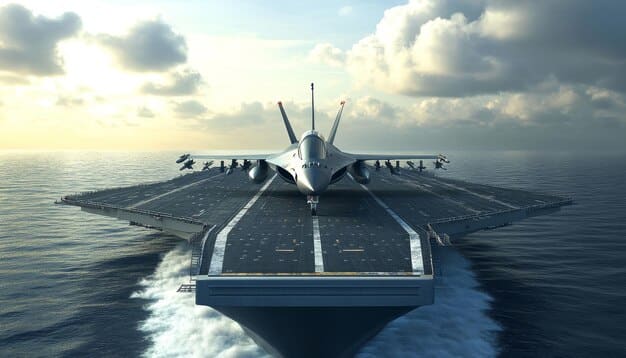
How Will the US Military’s Modernization Efforts Affect its Global Power Projection in the Next 2 Years? The US military is undergoing rapid modernization to maintain its global influence. These efforts encompass advanced weaponry, digital integration, and strategic realignments, all aimed at enhancing its power projection capabilities in a rapidly changing geopolitical landscape.
The United States military is in a constant state of evolution, adapting to emerging threats and technological advancements to maintain its position as a global superpower. How Will the US Military’s Modernization Efforts Affect its Global Power Projection in the Next 2 Years? This question is critical as the US faces increasing competition from other nations and grapples with evolving security challenges around the world.
Several key trends are shaping the future of the US military, including the development of advanced weapons systems, the integration of digital technologies, and a renewed focus on strategic partnerships. Let’s delve into how these changes may affect its ability to project power globally.
Understanding the US Military’s Modernization Push
The US military is currently engaged in a comprehensive modernization effort designed to enhance its capabilities across all domains. But, what exactly does this modernization entail?
At its core, this initiative involves upgrading existing weapons systems, developing new technologies, and adapting organizational structures to better meet the challenges of the 21st century. These efforts are driven by several factors, including the rise of near-peer competitors, the proliferation of advanced technologies, and the evolving nature of warfare.
Key Areas of Modernization
The US military’s modernization efforts are focused on several key areas, each designed to address specific capability gaps and emerging threats.
- Advanced Weapons Systems: Development and deployment of next-generation weapons systems, including hypersonic missiles, directed energy weapons, and autonomous systems.
- Digital Integration: Integrating digital technologies, such as artificial intelligence, machine learning, and cloud computing, to improve situational awareness, decision-making, and operational efficiency.
- Cyber Warfare Capabilities: Strengthening cyber warfare capabilities to protect critical infrastructure, conduct offensive cyber operations, and defend against cyber attacks.
- Space-Based Assets: Enhancing space-based assets for communication, navigation, surveillance, and missile warning, ensuring continued access to space in a contested environment.
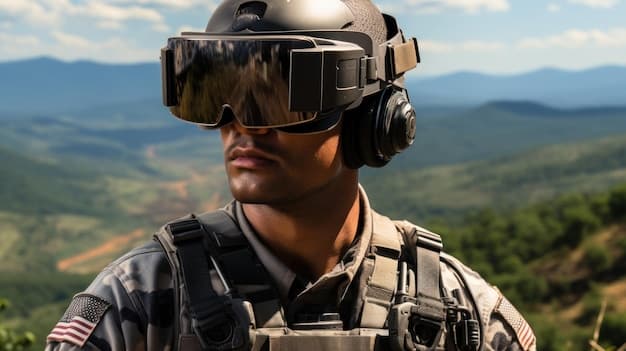
These modernization efforts are not simply about acquiring new technologies; they also involve adapting organizational structures, training programs, and operational concepts to effectively leverage these new capabilities. How Will the US Military’s Modernization Efforts Affect its Global Power Projection in the Next 2 Years? The overall aim is to create a more agile, adaptable, and lethal force capable of deterring aggression and defending US interests around the world.
The Impact on Global Power Projection
How will these modernization efforts affect the US military’s ability to project power globally in the next two years? Let’s explore the potential impacts of these changes.
Global power projection refers to a nation’s ability to exert its influence beyond its borders, through military, economic, and diplomatic means. For the United States, military power projection has long been a cornerstone of its foreign policy, allowing it to deter aggression, protect its interests, and respond to crises around the world.
Enhanced Deterrence Capabilities
One of the primary ways in which modernization will affect US power projection is through enhanced deterrence capabilities. By fielding advanced weapons systems and demonstrating a clear ability to respond to aggression, the US can deter potential adversaries from challenging its interests.
- Hypersonic Missiles: The deployment of hypersonic missiles, capable of reaching targets anywhere in the world in a matter of minutes, will provide a powerful deterrent against potential adversaries.
- Cyber Warfare: Enhanced cyber warfare capabilities will allow the US to deter cyber attacks and respond to digital threats effectively.
- Space-Based Assets: Continued investment in space-based assets will ensure that the US can maintain its strategic advantage in space, even in a contested environment.
These enhanced deterrence capabilities will not only protect US interests but also reassure allies and partners, demonstrating the US commitment to their security. Considering How Will the US Military’s Modernization Efforts Affect its Global Power Projection in the Next 2 Years? We can see that the US commitment means a stronger global standing.
Strategic Implications of Modernization
The US military’s modernization efforts have significant strategic implications for its global power projection capabilities. These implications extend to various aspects of military strategy and international relations.
First, modernization can lead to a shift in the balance of power. As the US military adopts new technologies and capabilities, it can gain a competitive edge over potential adversaries. This can alter the strategic calculus and potentially deter aggression or coercion. For example, the development of advanced missile defense systems could reduce the vulnerability of US forces and allies to missile attacks, thereby enhancing deterrence and stability.
Adapting to New Threats
Moreover, modernization enables the US military to adapt to new and evolving threats. The rise of cyber warfare, for instance, requires the development of robust cyber defense and offense capabilities. Similarly, the increasing sophistication of anti-access/area denial (A2/AD) systems necessitates the development of strategies and technologies to overcome these challenges. In gauging How Will the US Military’s Modernization Efforts Affect its Global Power Projection in the Next 2 Years? one must account for these adaptive strategies.
Additionally, modernization can enhance the US military’s ability to conduct expeditionary operations. Improved logistics, communication, and intelligence capabilities can facilitate the deployment and sustainment of forces in remote and challenging environments. This is particularly important for maintaining a forward presence and responding to crises around the world.
Overall, the strategic implications of US military modernization are far-reaching and can have a significant impact on global security and stability. By staying ahead of the curve and continuously adapting to new challenges, the US military can maintain its ability to project power and protect its interests in an ever-changing world.
Challenges and Risks
Despite the potential benefits of modernization, there are also challenges and risks associated with these efforts. These challenges can impact the effectiveness and efficiency of the modernization process.
One of the biggest challenges is the cost of modernization. Developing and acquiring new technologies can be incredibly expensive, and the US military must carefully prioritize its investments to ensure that it is getting the most bang for its buck. This requires a thorough assessment of potential threats, technological trends, and competing priorities. It also necessitates a willingness to make tough choices and potentially cut programs that are not delivering the desired results.
Technological Integration
Another challenge is the integration of new technologies into existing systems and organizational structures. This can be a complex and time-consuming process, requiring extensive testing, training, and adaptation. How Will the US Military’s Modernization Efforts Affect its Global Power Projection in the Next 2 Years? Successfully addressing these challenges of integration guarantees global power projection.
- Interoperability: Ensuring that new systems can effectively communicate and operate with legacy systems is crucial for maintaining operational effectiveness.
- Training: Training personnel to use new technologies effectively is essential for realizing their full potential.
- Adaptation: Adapting organizational structures and operational concepts to leverage new capabilities is necessary for maximizing their impact.
Failing to address these challenges can lead to delays, cost overruns, and ultimately undermine the effectiveness of modernization efforts. Therefore, careful planning, execution, and oversight are essential for ensuring that modernization delivers the desired results.
The Role of Strategic Partnerships
Strategic partnerships play a crucial role in enhancing the US military’s global power projection capabilities. These partnerships provide access to critical resources, infrastructure, and expertise, allowing the US to extend its reach and influence around the world.
One of the primary benefits of strategic partnerships is burden-sharing. By working with allies and partners, the US can distribute the costs and risks of maintaining global security. This is particularly important in an era of fiscal constraints and evolving threats.
Joint Military Exercises
Strategic partnerships also facilitate joint military exercises and training programs. These exercises enhance interoperability, build trust, and improve readiness, enabling the US and its partners to respond effectively to crises and contingencies.
- Interoperability: Joint exercises help standardize procedures, communication protocols, and equipment, ensuring that forces from different nations can operate seamlessly together.
- Trust: Building trust and personal relationships among military personnel is essential for effective cooperation and coordination.
- Readiness: Regular exercises and training programs keep forces sharp and prepared to respond to a wide range of threats.
In determining How Will the US Military’s Modernization Efforts Affect its Global Power Projection in the Next 2 Years? the importance of strategic partnerships in sustaining a robust global presence cannot be overstated.
Looking Ahead: The Future of US Power Projection
As we look ahead to the next two years, it is clear that the US military’s modernization efforts will have a significant impact on its global power projection capabilities. These efforts will enhance deterrence, improve readiness, and strengthen strategic partnerships.
However, successful modernization will require careful planning, execution, and oversight. The US military must prioritize its investments, address integration challenges, and adapt to new threats and technologies.
| Key Aspect | Brief Description |
|---|---|
| 🚀 Modernization Push | US military upgrades weapons, integrates digital tech for dominance. |
| 🛡️ Enhanced Deterrence | Hypersonic missiles & cyber capabilities deter adversaries. |
| 🤝 Strategic Partnerships | Alliances share costs, improve readiness through joint exercises. |
| 🌐 Future Projection | Modernization ensures continued global power, facing new challenges. |
Frequently Asked Questions
New weapons technology, such as hypersonic missiles, will enhance deterrence capabilities and improve response times to global threats. They will give the US Military greater ability to protect its interests.
Cyber capabilities will be crucial for protecting critical infrastructure, conducting offensive operations, and defending against digital threats. They will be critical in modern warfare strategy.
Strategic partnerships provide access to resources, infrastructure, and expertise, allowing the US to extend its reach and influence around the world. These partnerships also facilitate joint military exercises.
The primary challenges include the high cost of new technologies, integrating them with existing systems, and adapting organizational structures. Careful planning and execution are essential for success.
Modernization Efforts will enhance deterrence, improve readiness, and strengthen strategic partnerships. This will allow the US military to maintain influence and protect its interests in an evolving global landscape.
Conclusion
In conclusion, How Will the US Military’s Modernization Efforts Affect its Global Power Projection in the Next 2 Years? The US military is undergoing a transformative period to maintain its global influence. These efforts, encompassing advanced weaponry, digital integration, and strategic realignments, will significantly improve its power projection capabilities.
However, success hinges on addressing challenges such as cost, technological integration, and threat adaptation. By prioritizing investments, fostering innovation, and strengthening partnerships, the US can maintain its strategic advantage and protect its interests in an ever-changing world.