Understanding: What are the 4 Major International Arms Control Treaties?

What are the 4 Major International Arms Control Treaties the US is Currently Involved In? These include the New Strategic Arms Reduction Treaty (New START), the Open Skies Treaty, the Treaty on the Non-Proliferation of Nuclear Weapons (NPT), and the Chemical Weapons Convention (CWC).
In a world grappling with geopolitical tensions, understanding the intricacies of arms control is more critical than ever. The United States plays a significant role in the global arms control landscape, adhering to several key international treaties. It is important to examine: What are the 4 Major International Arms Control Treaties the US is Currently Involved In?
These treaties aim to promote stability and prevent the proliferation of dangerous weapons. Let’s delve into these agreements and explore what makes them vital for global security and peace.
What are the 4 Major International Arms Control Treaties the US is Currently Involved In?
When considering what are the 4 Major International Arms Control Treaties the US is Currently Involved In, it is essential to consider the goals, limitations and overall impact of each treaty. These treaties are designed to limit the production, spread, and use of different types of weapons, fostering international cooperation and reducing the risk of conflict.
Let’s explore treaties designed to foster international cooperation, reduce the risk of conflict, and promote transparency and predictability in military affairs.
New Strategic Arms Reduction Treaty (New START)
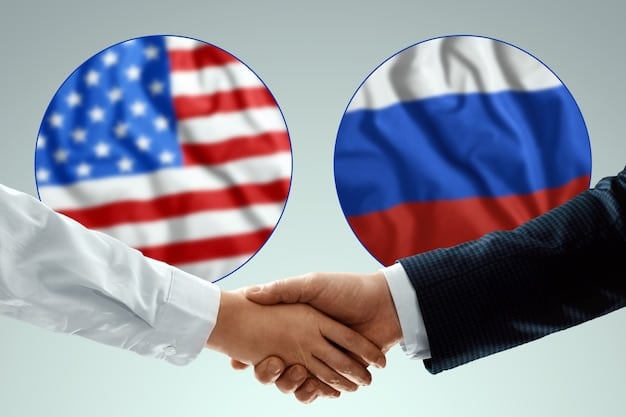
The New START is a nuclear arms reduction treaty between the United States and Russia. It limits the number of deployed strategic nuclear warheads and delivery systems.
- Limits on Nuclear Warheads: Caps the number of deployed strategic nuclear warheads to 1,550 for each country.
- Delivery Systems: Restricts the number of deployed intercontinental ballistic missiles (ICBMs), submarine-launched ballistic missiles (SLBMs), and heavy bombers equipped for nuclear armaments.
- Verification Measures: Includes extensive verification measures, such as on-site inspections and data exchanges, to ensure compliance.
New START plays a crucial role in maintaining strategic stability by reducing the risk of nuclear conflict and promoting transparency between the two largest nuclear powers. The treaty’s extension in 2021 ensured its continuation through 2026, underscoring its ongoing importance.
The Open Skies Treaty: Enhancing Transparency and Trust
The Open Skies Treaty promoted openness and transparency in military activities through permitted aerial surveillance flights over the territories of its participants. The idea behind the treaty was one of de-escalation.
The aim was to foster greater trust and understanding among nations, thereby lowering the risk of conflict.
Key Aspects of the Open Skies Treaty
The Open Skies Treaty allowed participant countries to conduct unarmed observation flights over the entire territory of other member states. These missions aimed to collect information about military forces and activities, contributing to predictability and stability.
- Observation Flights: Allowed each state party to conduct a specified number of observation flights annually.
- Sensors: Permitted the use of various sensors, including optical photographic, video, and infrared sensors.
- Data Sharing: Required the sharing of collected data with all treaty participants; all data collected had to be made available to everyone.
Despite its goals, the US withdrew from the Open Skies Treaty in 2020, citing Russian non-compliance as the main reason. Russia followed suit in 2021, leading to a significant setback for international arms control efforts and transparency in military affairs.
Non-Proliferation Treaty (NPT) – Preventing the Spread of Nuclear Weapons
The Treaty on the Non-Proliferation of Nuclear Weapons (NPT) is a landmark international treaty aimed at preventing the spread of nuclear weapons and weapons technology. What measures are taken to ensure this happens?
The treaty seeks to promote cooperation in the peaceful uses of nuclear energy and to further the goal of achieving nuclear disarmament.
Three Pillars of the NPT
The NPT operates on three main principles, often referred to as pillars. These pillars ensure that the treaty remains balanced and effective. Each pillar has its own role to play in arms reduction.
- Non-Proliferation: Non-nuclear weapon states agree not to acquire nuclear weapons.
- Disarmament: Nuclear weapon states commit to pursuing negotiations on effective measures relating to nuclear disarmament.
- Peaceful Uses of Nuclear Energy: Recognizes the right of all states to develop nuclear energy for peaceful purposes, under safeguards.
The NPT, which came into force in 1970, has been signed by 191 states, making it the most widely adhered to arms control agreement. It plays a crucial role in maintaining global security by preventing the further spread of nuclear weapons and promoting disarmament efforts.

The Chemical Weapons Convention (CWC): Eliminating Chemical Weapons
The Chemical Weapons Convention (CWC) is an arms control treaty that outlaws the production, stockpiling, and use of chemical weapons. But what are the 4 Major International Arms Control Treaties the US is Currently Involved In?
It is administered by the Organisation for the Prohibition of Chemical Weapons (OPCW) and is one of the most successful disarmament treaties in history.
Key Provisions of the CWC
The CWC requires states to declare and destroy all chemical weapons and production facilities. It also provides for inspections to ensure compliance. Those inspections verify the information that states give.
- Prohibition: Bans the development, production, stockpiling, and use of chemical weapons.
- Destruction: Requires states to destroy all chemical weapons and production facilities within a specified time frame.
- Verification: Includes a robust verification regime with inspections of declared facilities and challenge inspections.
The CWC entered into force in 1997 and has been signed by 193 states. It has significantly reduced the threat of chemical warfare by eliminating vast stockpiles of chemical weapons and establishing a framework for international cooperation and verification.
Understanding the Importance of Arms Control Treaties
Arms control treaties are vital for maintaining international peace and security. By limiting the production, spread, and use of dangerous weapons, these agreements help reduce the risk of conflict and promote transparency and trust among nations. So what are the 4 Major International Arms Control Treaties the US is Currently Involved In?
As geopolitical tensions continue to rise, arms control treaties remain more critical than ever. They provide a framework for dialogue, cooperation, and verification, contributing to a more stable and secure world.
The US involvement with these treaties underscores its commitment to global security and its willingness to work with other nations to address shared threats.
| Key Treaties | Brief Overview |
|---|---|
| ☢️ New START | Limits US & Russian strategic nuclear warheads and delivery systems. |
| 🕊️ Open Skies Treaty | Allowed observation flights to increase transparency, but US withdrew in 2020. |
| 🚫 NPT | Aims to prevent the spread of nuclear weapon and promote disarmament. |
| 🧪 CWC | Outlaws the production and use of chemical weapons, requiring destruction. |
Frequently Asked Questions
Arms control is vital to reduce the risk of conflict by preventing the proliferation and limiting the use of dangerous weapons. By setting regulations, countries can operate under agreed upon parameters.
The NPT aims to prevent the spread of nuclear weapons and weapons technology, promote cooperation in the peaceful uses of nuclear energy, and further the goal of achieving nuclear disarmament.
The primary objectives include reducing the risk of conflict, promoting transparency and trust, and preventing the proliferation of dangerous weapons.
The CWC ensures compliance through a robust verification regime, including inspections of declared facilities and challenge inspections. All signatories are obliged to permit these inspections.
The US withdrew from the Open Skies Treaty in 2020, citing Russian non-compliance with the treaty’s terms. They argued that Russia was not fulfilling obligations.
Conclusion
Understanding arms control treaties is essential for anyone interested in global affairs and international security. The treaties discussed above play a crucial role in maintaining international peace and stability and managing what are the 4 Major International Arms Control Treaties the US is Currently Involved In.
By adhering to these agreements, the US demonstrates its commitment to global security and responsible international leadership, ultimately contributing to a more secure world for future generations. Understanding these concepts is crucial for navigating the complexities of global politics and security.